
Gnesin Academy at the Giardini della Biennale
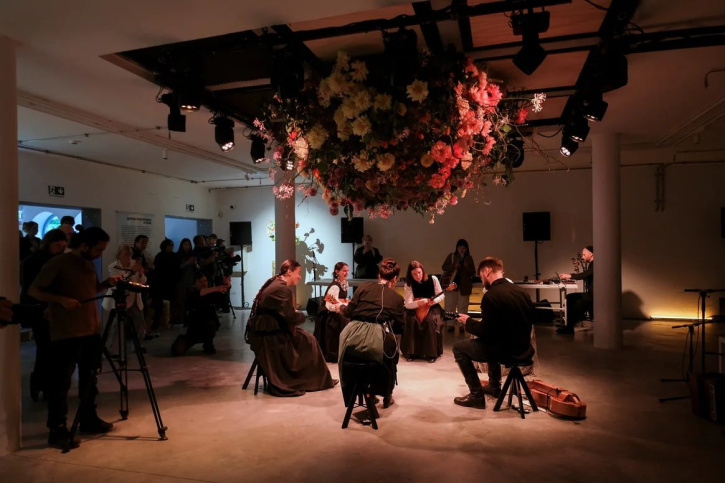
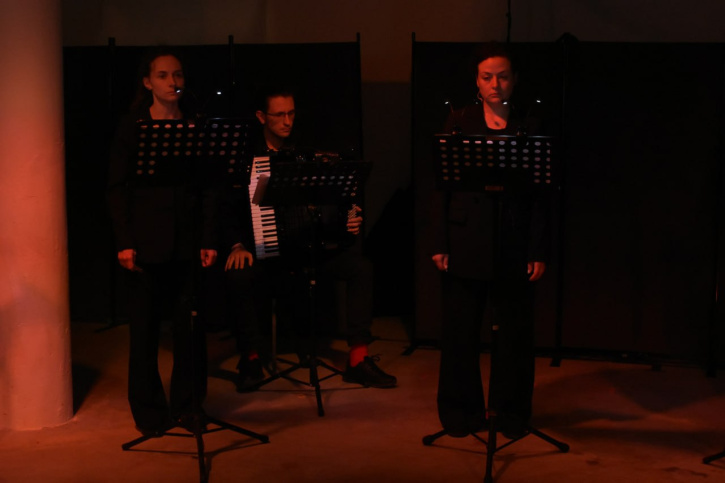
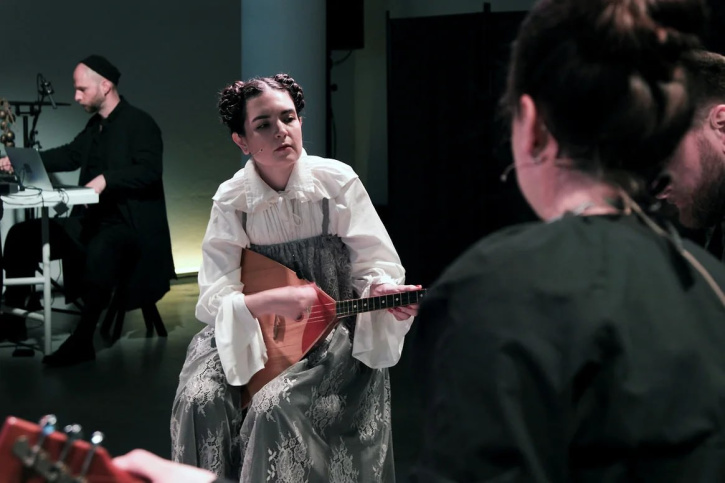
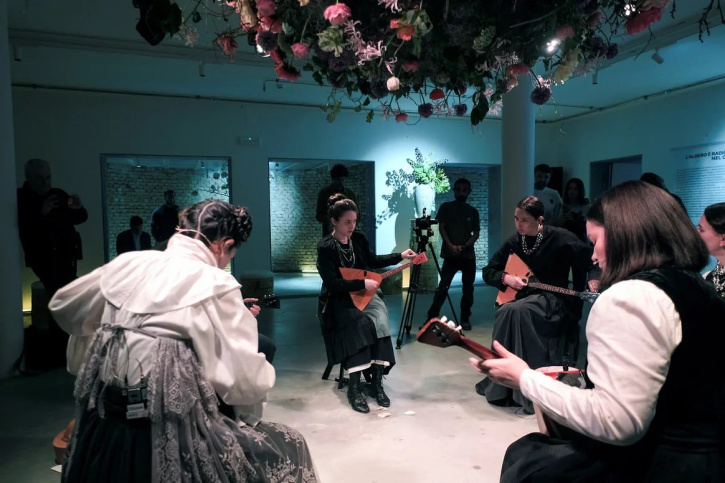
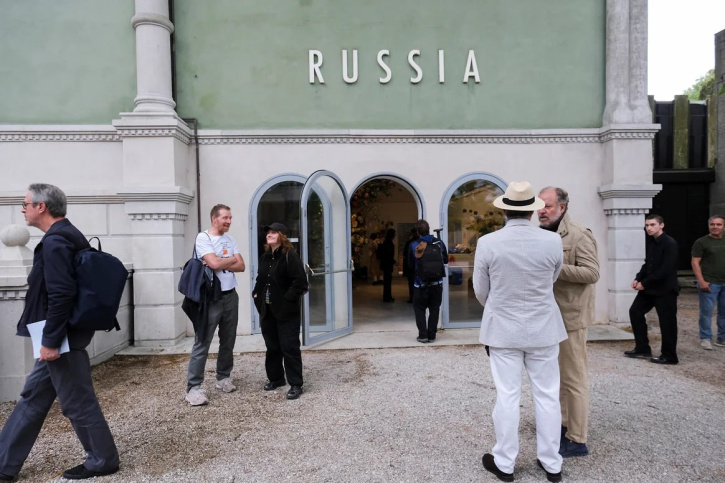
Under the artistic direction of the Gnesin Russian Academy of Music, the international music-and-performance project «The Tree is rooted in the Sky» was presented at the 61st Venice Biennale of Contemporary Art. This is Russia's first participation since 2019.
«In recent years, we have been working very actively with the Federal Agency for the Commonwealth of Independent States Affairs to organize creative schools and concerts that took place at various venues, including in Europe, and Gnesinka has long been present in Italy,» — says Alexander Ryzhinskii, Rector of the Gnesin Russian Academy of Music. — «This is an opportunity to present what we are rich in. Our task consists in the technical execution of the concept — essentially, in artistic direction.»
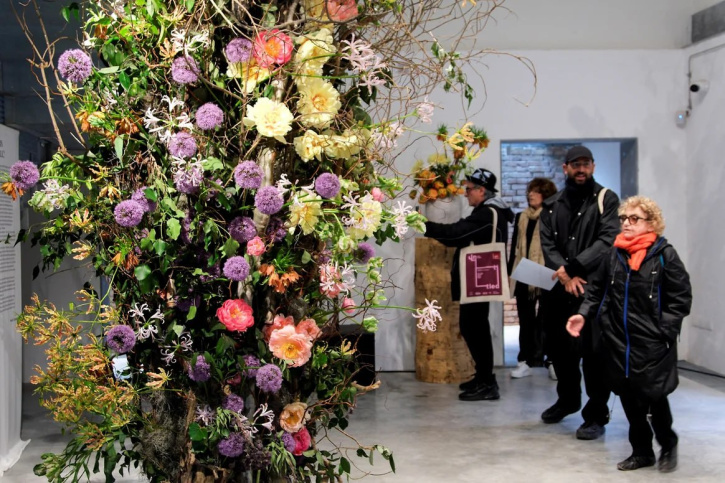
The project «The Tree is rooted in the Sky» was made as a music festival and represented the dialogue of traditions and cultures. It involved more than 40 musicians, artists, and philosophers, among them a graduate of the Department of Bayan and Accordion of the Gnesin Russian Academy of Music, and a postgraduate student of the Department of Music Theory, Roman Malyavkin. The essence of the program is reflected in the words of Simone Weil: «A tree whose roots feed on light continuously descending from above.» All the halls were decorated with large compositions of fresh flowers and branches, which in the central space turned into something like a huge tree.
Russia's participation in the Biennale was not warmly received by everyone. The international jury resigned in full a few days before the opening of the exhibition. The best national pavilion and the best participant was determined by audience vote. The Italian Ministry of Culture expressed its dissatisfaction, and the European Commission suspended funding for the Biennale. The organizers, for their part, stated that they «reject any forms of exclusion of culture.»
«Musicians, as creative people, are of course concerned about the performance of their program, especially in such difficult conditions for the Russian delegation. But we still hope for the decency of the European commissioners, for the understanding that art is beyond politics,» — shares Alexander Ryzhinskii.
Anastasia Karneeva, Commissioner of the Russian pavilion, shared her thoughts about the impact of the disputes over Russia's admission on the atmosphere of the event. She noted that interest in the Russian exposition has only grown. «People come to us not only to look at the art, but also to learn something, to find out what has been happening. <...> Our musicians perform absolutely superbly. Among our audience were previously protesting people who then came to listen to music. As they say, art is disarming, and this is a clear example.»